
$14.00
Add to Cart
HIGH GERMINATION Purple Papaya Ceylon RARE pawpaw Non Gmo 100 SEEDS
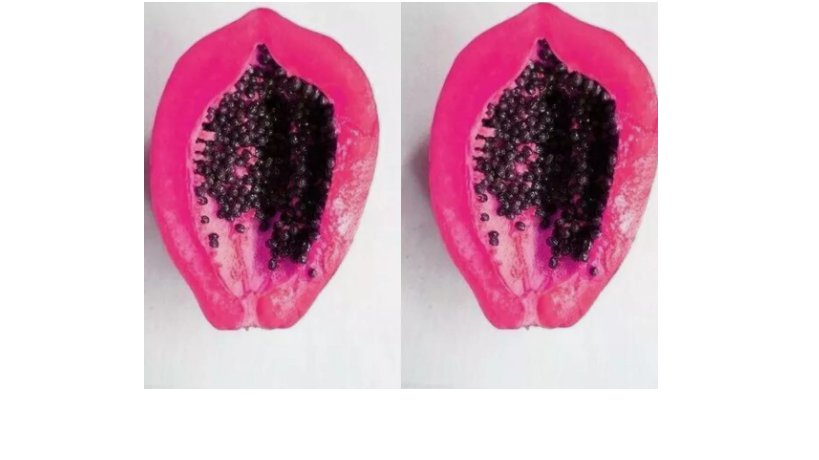
More than 10 available
Details
Shipping: US-Mainland: $4.00 (more destinations)
Condition: Brand new
Returns: 7 days, seller pays return shipping (more)
1. Choose the Right Variety
Ensure you have the right seeds or seedlings of purple papaya, typically Carica papaya.
2. Select a Suitable Location
Sunlight: Papayas thrive in full sun, so choose a spot that receives at least 6-8 hours of direct sunlight daily.
Soil: Well-draining soil is essential. A sandy loam with a pH of 6.0 to 6.5 is ideal.
3. Prepare the Soil
Clear the area of weeds and debris.
Loosen the soil to about 12 inches deep.
Mix in organic matter, such as compost, to enhance soil fertility.
4. Planting Seeds or Seedlings
Seeds: Plant seeds about 1 inch deep and 3-5 feet apart. Water them gently.
Seedlings: If using seedlings, dig a hole slightly larger than the root ball and place the plant in, ensuring the top of the root ball is level with the soil surface.
5. Watering
Water the plants regularly, especially in dry spells. Papayas like consistent moisture but dislike waterlogged soil.
6. Fertilization
Use a balanced fertilizer every couple of months to promote healthy growth. High nitrogen fertilizers are often recommended during the growing phase.
7. Mulching
Apply a layer of mulch around the base to retain moisture and suppress weeds.
8. Pest and Disease Management
Keep an eye out for common pests like aphids and whiteflies. Organic insecticides can help if infestations occur.
9. Harvesting
Papayas usually take about 6-12 months to mature. Harvest when the fruit is mostly yellow but still slightly green.
Additional Tips
Climate: Papayas prefer tropical to subtropical climates. Protect young plants from frost.
Spacing: If planting multiple papayas, ensure they have enough space for air circulation
Ensure you have the right seeds or seedlings of purple papaya, typically Carica papaya.
2. Select a Suitable Location
Sunlight: Papayas thrive in full sun, so choose a spot that receives at least 6-8 hours of direct sunlight daily.
Soil: Well-draining soil is essential. A sandy loam with a pH of 6.0 to 6.5 is ideal.
3. Prepare the Soil
Clear the area of weeds and debris.
Loosen the soil to about 12 inches deep.
Mix in organic matter, such as compost, to enhance soil fertility.
4. Planting Seeds or Seedlings
Seeds: Plant seeds about 1 inch deep and 3-5 feet apart. Water them gently.
Seedlings: If using seedlings, dig a hole slightly larger than the root ball and place the plant in, ensuring the top of the root ball is level with the soil surface.
5. Watering
Water the plants regularly, especially in dry spells. Papayas like consistent moisture but dislike waterlogged soil.
6. Fertilization
Use a balanced fertilizer every couple of months to promote healthy growth. High nitrogen fertilizers are often recommended during the growing phase.
7. Mulching
Apply a layer of mulch around the base to retain moisture and suppress weeds.
8. Pest and Disease Management
Keep an eye out for common pests like aphids and whiteflies. Organic insecticides can help if infestations occur.
9. Harvesting
Papayas usually take about 6-12 months to mature. Harvest when the fruit is mostly yellow but still slightly green.
Additional Tips
Climate: Papayas prefer tropical to subtropical climates. Protect young plants from frost.
Spacing: If planting multiple papayas, ensure they have enough space for air circulation


 ID, Banten